Seeing brown or rust-colored water pouring from your faucet can be alarming, especially when you rely on clean water every day. This issue is common in Southern California homes and businesses and is often linked to corroded pipes, sediment buildup, or an aging water heater. If you’ve recently noticed brown water from the faucet, understanding the causes—and the right solutions—can help you restore your water’s clarity and safety quickly.
Common Causes of Brown or Rusty Water in Southern California
When you see discolored or rusty water, the root cause could stem from several plumbing issues. Let’s explore the most common reasons and how each affects your system.
1. Corroded Galvanized or Aging Pipes
Many older homes in Los Angeles, Long Beach, and Orange County still have galvanized steel pipes. Over time, these pipes corrode inside, allowing rust particles to mix with your water supply. The result is a brownish or orange tint, particularly noticeable when you first turn on the faucet. Unfortunately, corrosion will only worsen unless the piping is replaced.
2. Sediment Buildup in the Water Heater
Over time, minerals and sediment can collect at the bottom of your water heater tank, especially in areas with hard water such as Riverside and San Bernardino Counties. This buildup can cause discolored hot water and reduce efficiency. If you notice that only your hot water is rusty, your water heater is likely the culprit.
3. Failing Anode Rod
The anode rod inside a water heater prevents internal corrosion by attracting rust and minerals. When it wears out, rust begins forming directly on the tank walls, releasing brownish water through your taps. Replacing the anode rod is a simple and effective way to prolong the life of your water heater.
4. Municipal Water Flushing or Supply Issues
Sometimes, brown water can appear after the city performs hydrant flushing or pipeline maintenance. This stirs up mineral deposits in public water lines, temporarily coloring the water. It usually clears up after running the tap for several minutes. If the issue persists longer than a few hours, however, it’s best to call a plumber to ensure the problem isn’t in your plumbing system.
Effective Solutions for Rusty or Discolored Water
The solution depends on what’s causing the discoloration. Here are a few expert-approved fixes you can try—or ask your local plumbing professional to handle.
1. Run Your Water for 10–15 Minutes
If the discoloration is temporary and linked to municipal maintenance, try running your cold water tap for 10 to 15 minutes. This can help flush out any stirred-up sediment from the lines.
2. Flush Your Water Heater Tank
A full tank flush removes sediment and mineral buildup that can discolor your water. This maintenance should be performed at least once a year, especially for homes in Southern California with hard water. Regular flushing also helps extend the life and efficiency of your water heater.
3. Replace the Anode Rod
If your anode rod is deteriorated, replacing it can prevent your tank from rusting. It’s a cost-effective alternative to replacing your entire water heater and can dramatically improve water quality.
4. Replace Corroded Galvanized Pipes
For homes with outdated metal plumbing, consider upgrading to copper or PEX piping. Not only will this eliminate ongoing rust issues, but it can also boost water pressure and improve overall plumbing health.
5. Install a Whole-Home Filtration System
A water filtration or softening system can help remove minerals and rust before they reach your faucets, improving both taste and appearance. This is especially helpful in coastal areas around Orange County and San Diego County, where water hardness is a common issue.
When to Call a Professional Plumber in Southern California
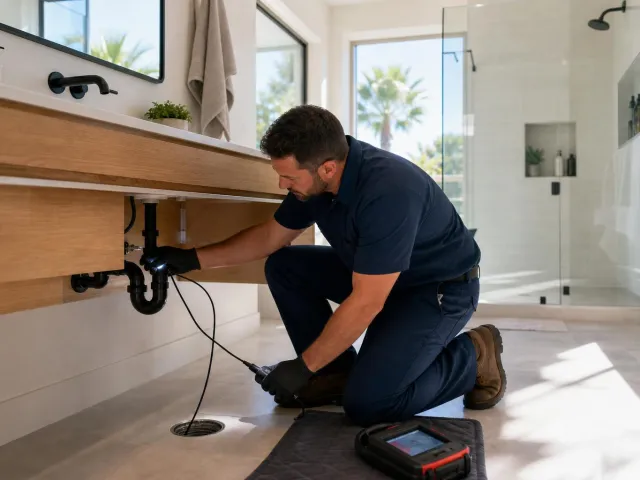
DIY solutions can work for temporary discoloration, but if brown or rust-colored water continues for more than a day, you may have a deeper plumbing issue. Professional inspection can pinpoint whether the problem lies in your home’s pipes, water heater, or municipal supply connection.
- Persistent rust in both hot and cold water lines
- Low water pressure with discoloration
- Pinhole leaks or signs of corrosion on exposed pipes
- Older galvanized plumbing systems
Preventing Rusty Water: Maintenance Tips
Keeping your water system in top shape helps prevent discoloration:
- Flush your water heater annually
- Schedule regular plumbing inspections
- Replace aging pipes before corrosion spreads
- Install a water softener or filtration system
Restore Clean, Clear Water Today
If you’re noticing rusty water from your faucet or brown discoloration that won’t go away, don’t ignore it—it could indicate serious internal corrosion. The experts at A-1 Performance Rooter & Plumbing provide professional inspections, repairs, and replacements throughout Southern California, including Los Angeles, Long Beach, and Orange County.
Call A-1 Performance Rooter & Plumbing today at 800-997-3090 for a same-day appointment and a complete plumbing inspection. We’ll locate the cause of your rusty water and restore your system to peak performance—fast!