

How to Detect a Water Leak: Living in Southern California—whether in Los Angeles, Orange County, or Long Beach—means dealing with unique plumbing challenges. When you spot a discolored patch on your ceiling, wall, or floor, it’s normal to wonder: is this just a harmless stain, or could it be a sign of a hidden plumbing leak? Early detection of hidden leaks can save you thousands in repairs and prevent serious water damage.
Common Signs of Water Leak: What Homeowners Need to Know
Not every stain means trouble, but there are telltale signs you may be dealing with a plumbing leak under the floor or behind your walls. Here’s how you can spot the difference and protect your Southern California home.
- Persistent Discoloration: Unlike a simple stain, water leaks often cause spots that grow over time or change shape.
- Texture and Dampness: A real leak usually leaves the surface feeling damp, soft, or even crumbly.
- Mold and Musty Odor: Detecting a musty smell or seeing mold develop points to hidden moisture from a leak, not a dry stain.
- Peeling Paint or Wallpaper: Moisture behind the wall can cause finishes to bubble and peel.
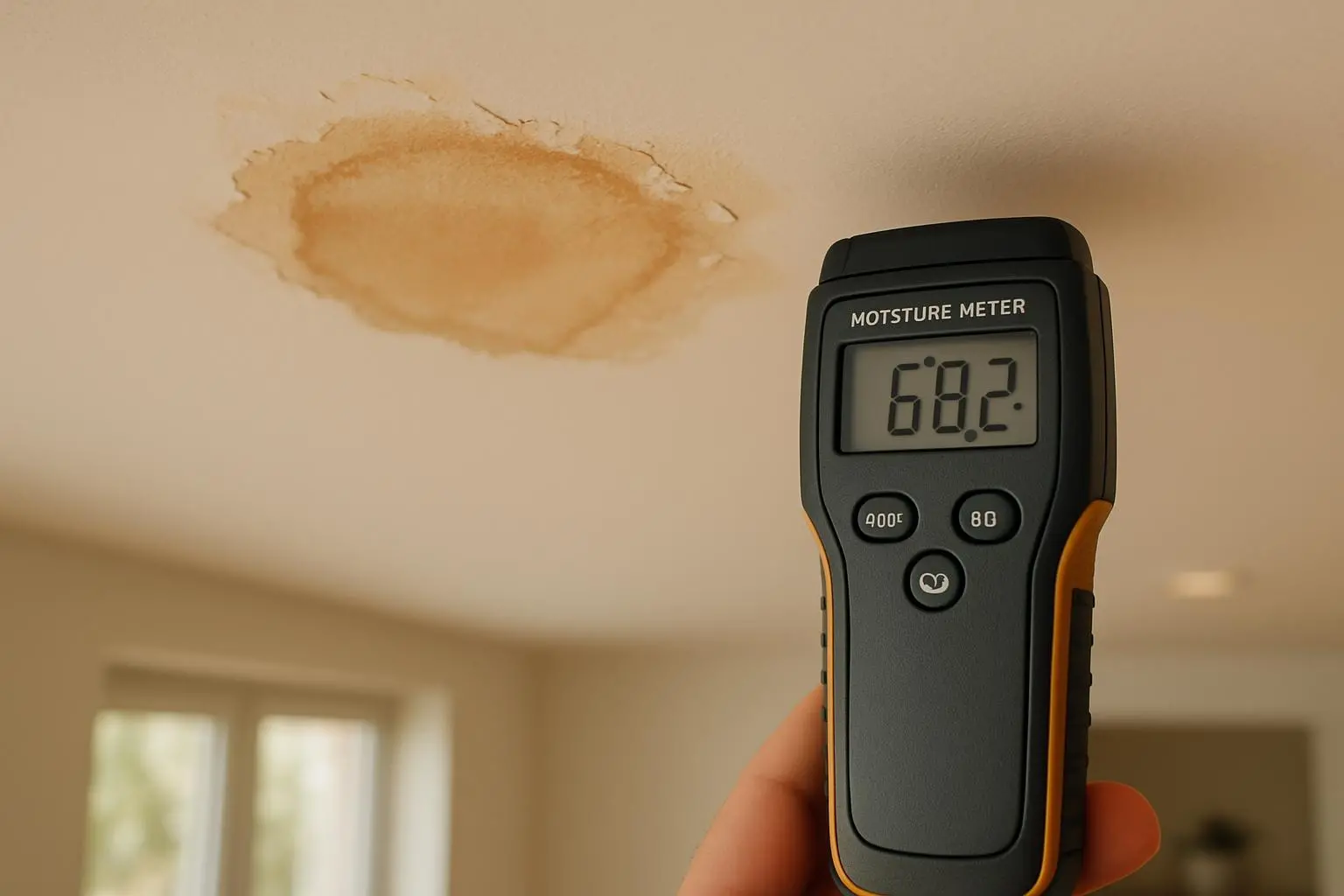
Ceiling Water Stain vs Leak: How to Tell the Difference
Ceiling water stains are especially common after rare Southland rainstorms or in multi-story homes. Here’s how to distinguish a ceiling stain from a true plumbing leak:
- Check for Active Dripping: Leaks may be small but can create intermittent dripping during showers, washer use, or rainfall.
- Size and Color Changes: Leaks often cause the stain to get larger or darker after using plumbing nearby.
- Multiple Stains: Several water spots in one area often mean ongoing leakage, not an old, dried stain.
How to Detect a Water Leak Under the Floor
A plumbing leak under the floor can go undetected for months but cause significant structural damage. Here’s what to look for:
- Warm or damp patches on tile or wood flooring
- Unexplained bumps or buckling on floors
- An unexpected rise in your water bill
- Soggy, stained carpeting near bathrooms, kitchens, or laundry rooms
Pro Tip: Use a dry paper towel to blot suspicious areas. If it stays dry, it’s likely an old stain. If it comes back damp, call a pro.
Southern California Plumbing Leaks: Regional Factors
Our region’s older homes (especially in Pasadena and Long Beach) often have aging pipes prone to leaks. Hard water in Orange County accelerates pipe corrosion, making vigilant inspection even more important. And with our occasional rain, roof leaks are often confused with plumbing leaks—location matters!
Expert Advice: When to Call the Pros
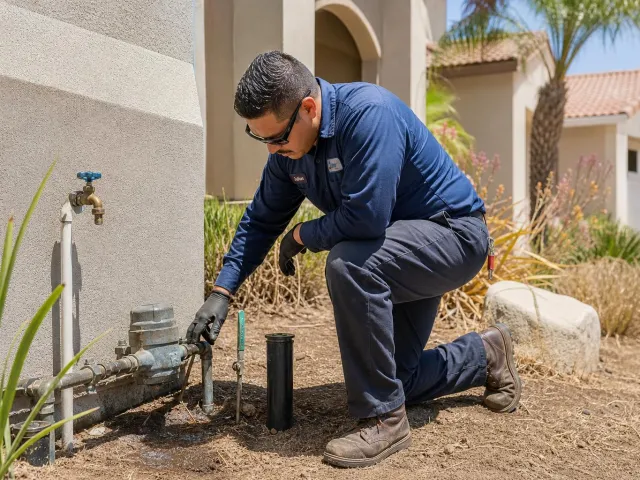
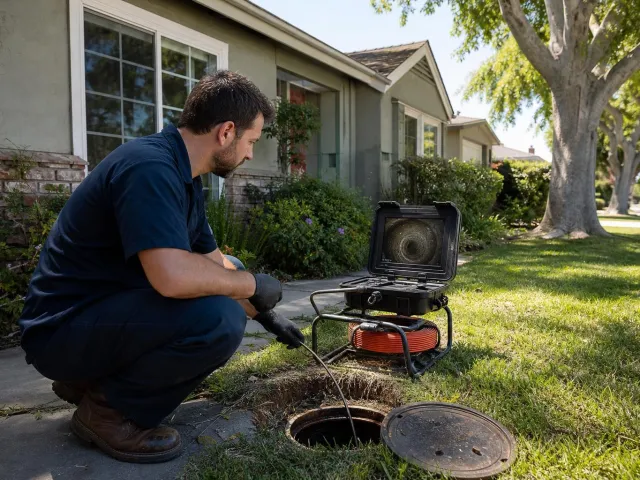
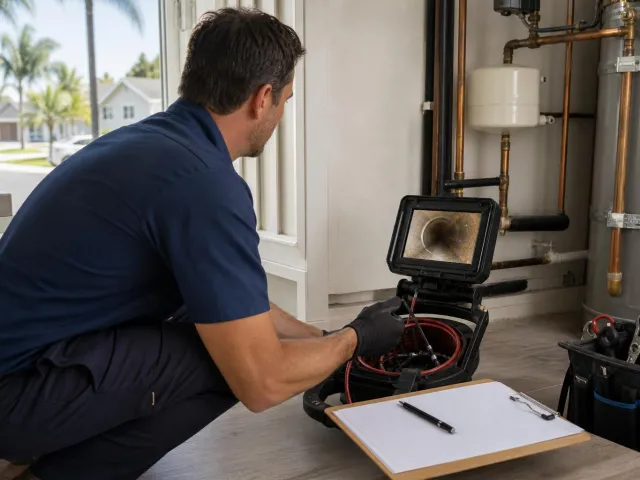
- Cannot find the source: Professionals use moisture meters and thermal imaging cameras to pinpoint hidden leaks.
- Signs of mold: Mold growth means the leak is severe and needs urgent, professional remediation.
- Ceiling warping or sagging: This signals structural damage and shouldn’t be ignored.
Statistics: According to the EPA, 10% of homes have leaks that waste at least 90 gallons of water per day. Catching leaks early makes all the difference!
What to Do If You Suspect a Plumbing Leak
- Turn off the water to the affected area if possible.
- Document the stain or leak for your records and insurance claims.
- Contact a licensed local plumber for professional leak detection—even a small leak can cause major problems over time.
Trying to diagnose a ceiling water stain vs leak concern? Don’t guess—trust your instincts and let A-1 Performance Rooter and Plumbing provide fast, expert leak detection services!
Southern California’s Leak Detection Experts – A-1 Performance Rooter and Plumbing
At A-1 Performance Rooter and Plumbing, we specialize in finding and repairing hidden leaks for homes and businesses across Southern California. Whether you’re in Los Angeles, Anaheim, or Long Beach, our expert technicians use advanced tools to get to the source fast, saving you time and money.
Think you have a plumbing leak? Call us today at 800-997-3090 or contact us online for a free inspection.